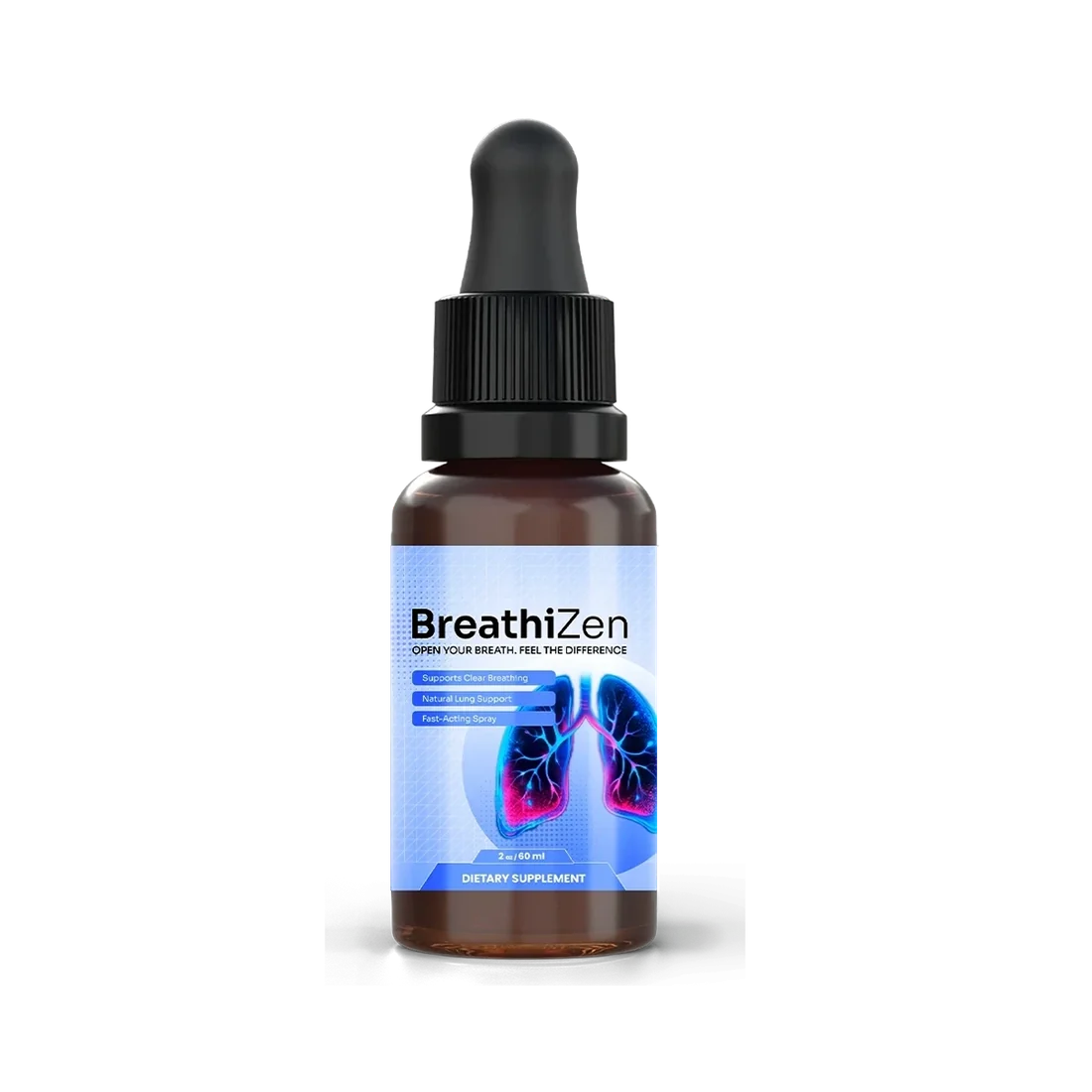
Breathizen green tea extract is one of ten ingredients, and its amount is not published. The National Center for Complementary and Integrative Health reports uncommon liver injury in people taking green tea extract. Caffeine content is also not published. Ask a clinician first if you have liver trouble or take liver-affecting medicine.
Key facts
- Green tea extract is one of ten named ingredients. Its amount is not published.
- Whether the extract is decaffeinated is not published, and no caffeine figure is printed.
- The National Center for Complementary and Integrative Health reports uncommon liver injury with green tea extract.
- It appears more often in people with a certain immune-gene variant found in 5 to 15 percent of Americans.
- The risk is linked to concentrated extracts, not to drinking tea.
- Stop and call a clinician if you see yellow skin or eyes, dark urine or unusual tiredness.
What is known and unknown about green tea extract in this spray?
| Question | Answer | Status |
|---|---|---|
| How much extract per serving? | Not published | Gap |
| Is it decaffeinated? | Not published | Gap |
| Extract ratio or EGCG content? | Not published | Gap |
| Does it carry a safety signal? | Uncommon liver injury reported for concentrated extracts | Documented by a national health body |
| Typical trial range | EGCG commonly up to about 300 to 400 mg a day | General reference, not this product |
What is Breathizen green tea extract?
Green tea extract is a concentrate of the catechins in the leaves of the tea plant, chiefly one called EGCG. It sits eighth of ten on the BreathiZen label. Some extracts carry caffeine and some are decaffeinated.
On this label the extract has no amount. That is true of all ten ingredients, but it matters more here than for most. A plain cup of tea is not the same as a concentrated extract, and the safety discussion is about extracts.
Why does Breathizen green tea extract need an amount?
Because it is the one ingredient on the list with a documented safety signal. The National Center for Complementary and Integrative Health reports that liver injury has been seen, uncommonly, in people taking green tea extract. The cases are rare. They appear more often in people who carry a particular variant in an immune-function gene, found in roughly 5 to 15 percent of Americans. Almost nobody has been tested for it.
The risk is tied to concentrated extracts and not to drinking tea. So the useful question is how much extract a daily serving holds. For this spray, nobody outside the maker knows. It could be a token amount or it could be more.
We are not saying the product is dangerous. We are saying the one place a number was needed is the one place it is missing.
Does Breathizen green tea extract contain caffeine?
The label does not say. It does not say if the extract is decaffeinated, and no caffeine figure is printed. If you avoid caffeine for sleep, heart rhythm, pregnancy or any other reason, that is a real gap.
The morning serving helps with sleep, since any caffeine would be taken early. Even so, you can call the order desk on +1 (302) 200-3480 and ask what they know. Write down the answer and the date.
Coffee and tea do not mix badly with the label as far as the label says. The question is only about adding up caffeine you cannot measure.
Who should ask a clinician before Breathizen green tea extract?
Talk to a clinician or pharmacist first if any of these apply:
- You have any history of liver trouble.
- You take medicine that affects the liver.
- You take blood thinners, sedatives or blood-pressure medicine. Other ingredients in the formula, such as bromelain, ginger, California poppy, corydalis and L-theanine, have reasons to be checked as well.
- You are pregnant or breastfeeding. The label is for adults and gives no safety statement for either.
- You are under 18. The product is for adults 18 and over only.
Bring the whole ingredient list, not only the green tea line. It takes a pharmacist under a minute to read.
What warning signs should you act on?
Stop taking the spray and call a clinician if you notice:
- Yellowing of the skin or the whites of the eyes.
- Dark urine.
- Pain on the right side under the ribs.
- Unusual tiredness with no other explanation.
These signs are linked to the liver-injury reports and they are uncommon. They are also a good reason for a product with green tea extract to print an amount. You can tell the order desk, and you can report a supplement problem to the FDA through its consumer page.
Does the L-theanine in Breathizen link to green tea extract?
L-theanine is an amino acid found almost only in tea. It is the one isolated compound on the label, not a whole-plant extract. It has the cleanest research picture of the ten ingredients and is used for calm and focus. It is not a breathing ingredient.
It is worth mentioning because both ingredients come from the tea family of sources, and people sometimes lump them together. They are different substances with different records. The safety discussion on this page is about the green tea extract, not about L-theanine.
Frequently asked questions
Is there green tea extract in Breathizen?
Yes. It is one of ten named ingredients on the label. The amount is not published.
Does Breathizen green tea extract have caffeine?
Not published. The label does not say if the extract is decaffeinated.
Is the green tea extract risky?
Liver injury has been reported uncommonly with concentrated green tea extract. The amount in this product is not published, so the risk cannot be sized.
What are the warning signs?
Yellow skin or eyes, dark urine, pain under the right ribs or unusual tiredness. Stop and call a clinician.
Who should ask a doctor first?
Anyone with liver trouble, anyone on liver-affecting medicine, and anyone on blood thinners, sedatives or blood-pressure medicine.
Is Breathizen FDA approved?
No, and no dietary supplement is. It is not a treatment for any condition.
Our view
Breathizen green tea extract is the best example of why we publish the dose gap. We would like to see an amount, a caffeine statement and a certificate behind it. Until they appear, treat the ingredient with the same care you would give any concentrated botanical.
Read the safety page for the six medication checks, and the side effects post for the wider picture. Ask a clinician first if you are unsure.
Keep reading: the safety page, the side effects post, or back to the home page.
Last updated November 4, 2026