Authorized retailer · U.S. stocking partner for BreathiZen 2 oz / 60 ml · 4 pumps (0.60 mL) once daily 60-day money back +1 (302) 200-3480 Lot BRE-26/BR-7545

Official product information

BreathiZen Ingredients: All Ten, and What the Label Leaves Out

All ten ingredients named on the BreathiZen label, what each one is, why it plausibly belongs in a breathing spray, and the amount — which is not published for a single one of them.

Written and reviewed by the BreathiZen Editorial Desk · Last updated September 22, 2026

Quick answer

BreathiZen names ten ingredients: mullein leaf extract, marshmallow root, bromelain powder, cordyceps militaris, corydalis root, California poppy seed, ginger root extract, green tea extract, L-theanine and organic lemon extract. No amount is published for any of them, so the strength of the formula cannot be judged from the label.

The list

What is actually in BreathiZen?

Ten ingredients are named on the BreathiZen label. That is a real number and it is worth something — plenty of products in this category hide behind the words “proprietary blend” and name nothing at all.

What the label does not give you is any amount. Not a milligram figure, not an activity unit, not a percentage. So the useful question is not “is mullein good for you” but “what can I actually learn from a list without numbers”, and the answer is: quite a lot about intent, and nothing about strength.

Below, each ingredient gets the same four things — what it is, why it plausibly sits in a breathing formula, what the amount is, and what is worth checking with a clinician. Then a table puts all ten side by side.
All ten

BreathiZen ingredients, one at a time

Tap any card to open it. Every one of them ends with the same line.

Mullein leaf extract used in BreathiZen

Mullein leaf extract

The traditional respiratory herb in the formula.

Mullein (Verbascum thapsus) is a tall roadside plant whose soft leaves have been brewed as a tea in European and North American folk practice for coughs and chest tightness.

It is the ingredient most people recognise on a lung formula. Traditional use is long. Controlled human research on mullein for breathing is thin, so treat it as tradition rather than proof.

Amount in BreathiZen: not published

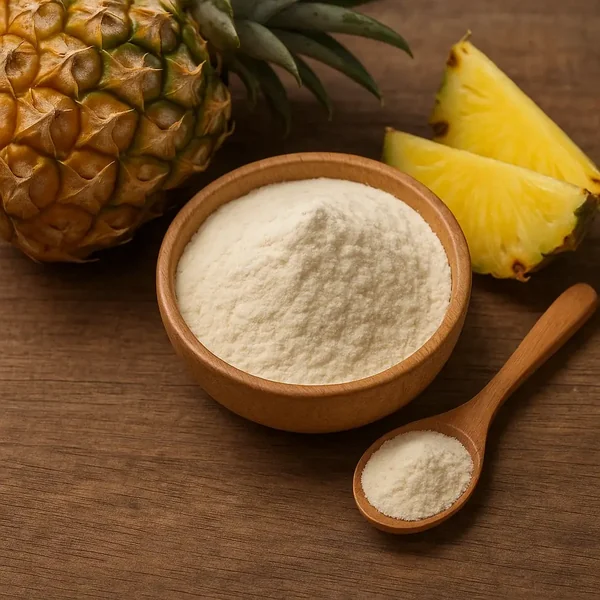
Bromelain powder used in BreathiZen

Bromelain powder

A pineapple enzyme group, usually used for swelling and comfort.

Bromelain is a mix of protein-digesting enzymes taken from pineapple stem and fruit. Supplement labels normally rate it in GDU or MCU activity units rather than milligrams alone.

Activity units matter more than weight for an enzyme. This label gives neither, so there is no way to judge the strength of the bromelain in this bottle.

Amount in BreathiZen: not published

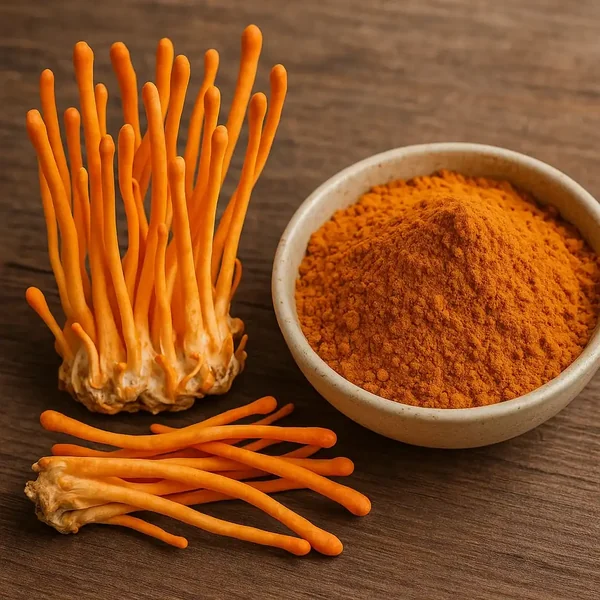
Cordyceps militaris used in BreathiZen

Cordyceps militaris

A cultivated mushroom used in traditional tonics for stamina.

Cordyceps militaris is an orange club fungus grown on grain substrate. It is the cultivated species used in most modern supplements, as opposed to the wild caterpillar fungus.

Traditional East Asian use centres on breath and stamina. Human evidence is early and mostly small. Extract strength varies a lot between growers.

Amount in BreathiZen: not published

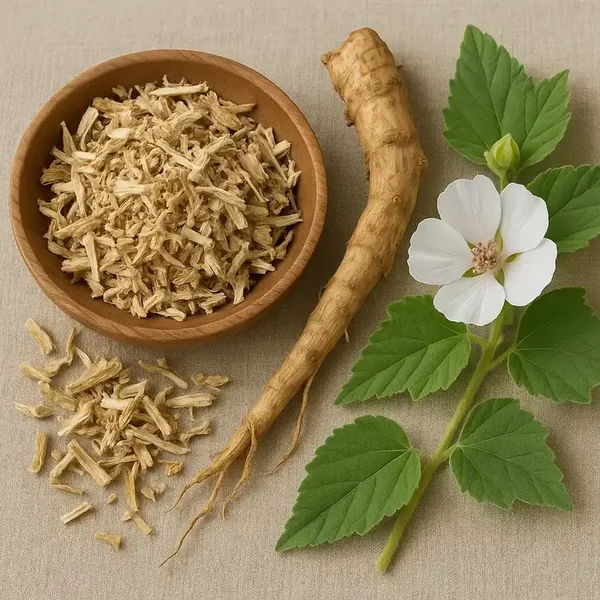
Marshmallow root used in BreathiZen

Marshmallow root

A demulcent - it coats and soothes rather than acts on the lungs.

Marshmallow root (Althaea officinalis) is rich in mucilage, a slippery plant fibre that forms a film on the tissue it touches.

In a spray it makes obvious sense: it is one of the few ingredients whose traditional use actually depends on touching the throat. It soothes the throat; it does not reach the lungs.

Amount in BreathiZen: not published

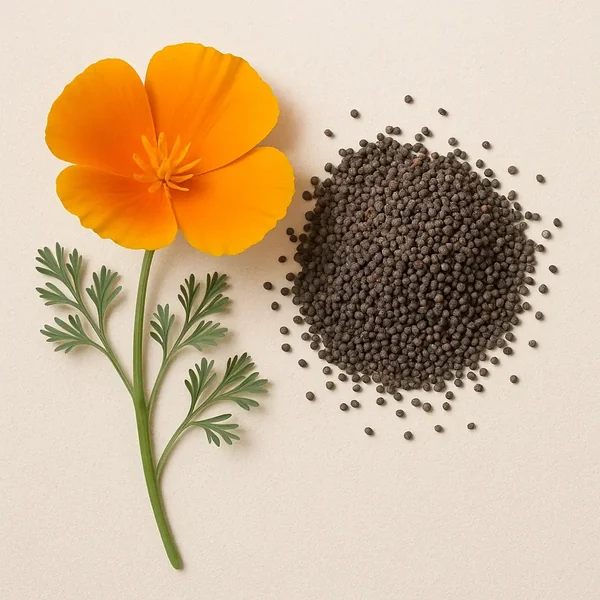
California poppy seed used in BreathiZen

California poppy seed

A calming herb from traditional European practice.

California poppy (Eschscholzia californica) is the orange state flower of California. It is not opium poppy and does not contain morphine.

Its traditional use is rest and calm, not breathing. On this label it reads as part of the calm side of the formula rather than the lung side.

Amount in BreathiZen: not published

Corydalis root used in BreathiZen

Corydalis root

A traditional Chinese herb used for discomfort.

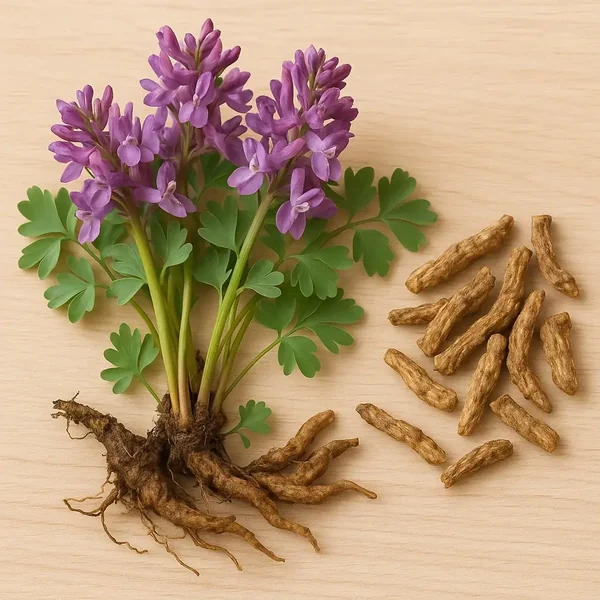
Corydalis yanhusuo is a tuber used in traditional Chinese medicine, usually processed with vinegar before use.

Its traditional role is comfort, not breathing. Human research is limited and mostly on pain rather than the airway.

Amount in BreathiZen: not published

Ginger root extract used in BreathiZen

Ginger root extract

A warming kitchen root with the best-documented safety record here.

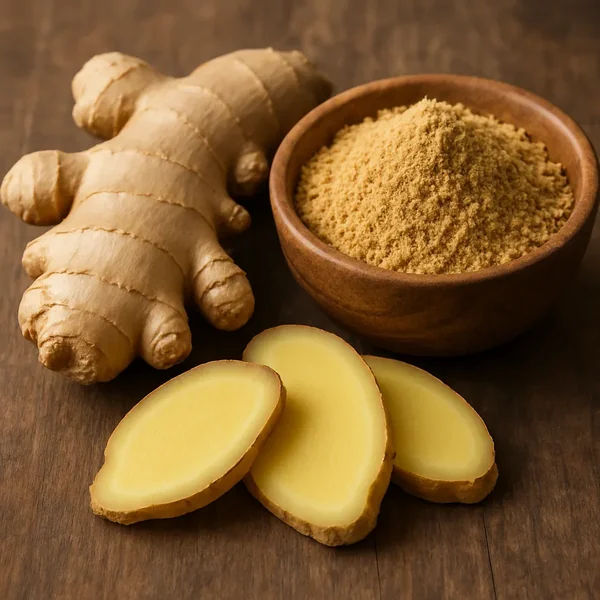
Ginger (Zingiber officinale) is the rhizome used worldwide as a spice and as a traditional remedy.

NCCIH says research shows ginger may be helpful for nausea and vomiting in pregnancy, and that results for other uses are mixed. Nothing in that review is about breathing.

Amount in BreathiZen: not published

Green tea extract used in BreathiZen

Green tea extract

A polyphenol extract - and the ingredient that needs the clearest label.

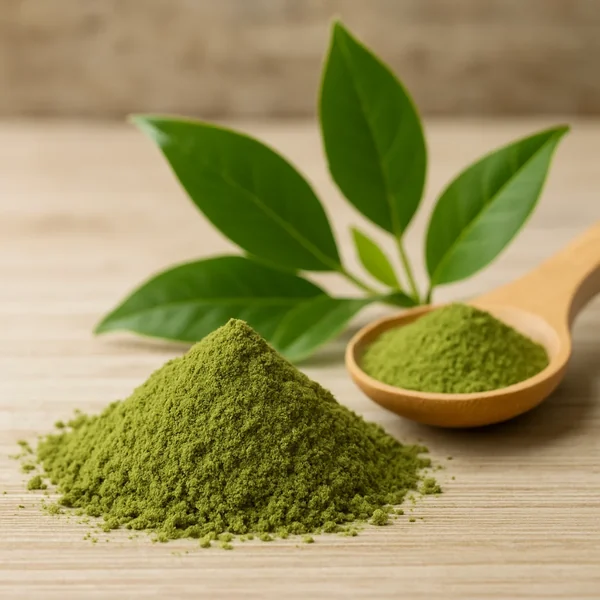
Green tea extract concentrates the catechins in Camellia sinensis leaves, chiefly EGCG. Some extracts also carry caffeine; some are decaffeinated.

NCCIH reports that liver injury has been reported in people taking green tea extract, uncommonly, and more often in people with a particular immune gene variant. That is exactly why an unpublished amount matters here.

Amount in BreathiZen: not published

L-theanine used in BreathiZen

L-theanine

The amino acid from tea leaves, used for calm focus.

L-theanine is an amino acid found almost only in tea. It is the one isolated compound on this label rather than a whole-plant extract.

It has the cleanest research picture of the ten for calm and attention. It is not a respiratory ingredient, and no amount is published here either.

Amount in BreathiZen: not published

Organic lemon extract used in BreathiZen

Organic lemon extract

Taste and a light citrus note for a spray taken on the tongue.

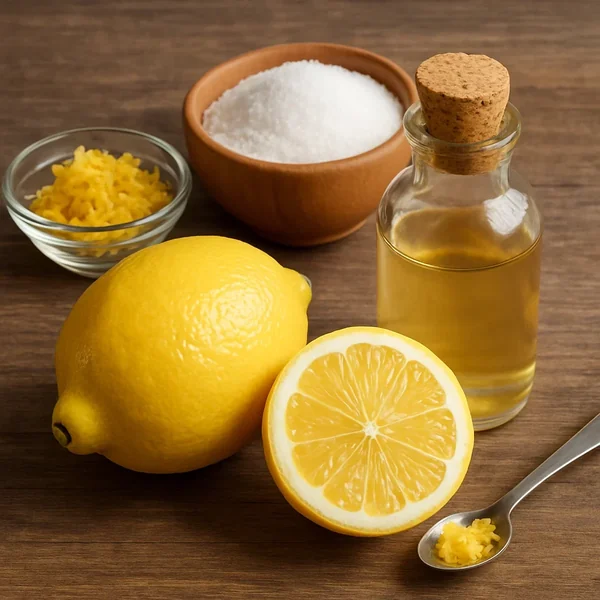
Lemon extract from Citrus limon. On a spray it does most of its work on flavour.

Honest reading: this is there so a daily spray tastes like something you will use again. That is a real job on a product you take every morning.

Amount in BreathiZen: not published

Side by side

BreathiZen ingredient table

All ten side by side. The third column is the same on every row, which is the point of the table.
IngredientWhat it is doing hereAmount in BreathiZenGeneral reference range
Mullein leaf extractThe traditional respiratory herb in the formula.not publishedNo agreed research dose
Bromelain powderA pineapple enzyme group, usually used for swelling and comfort.not publishedCommonly 200-400 mg a day in trials, activity-unit dependent
Cordyceps militarisA cultivated mushroom used in traditional tonics for stamina.not publishedNo agreed research dose
Marshmallow rootA demulcent - it coats and soothes rather than acts on the lungs.not publishedNo agreed research dose
California poppy seedA calming herb from traditional European practice.not publishedNo agreed research dose
Corydalis rootA traditional Chinese herb used for discomfort.not publishedNo agreed research dose
Ginger root extractA warming kitchen root with the best-documented safety record here.not publishedCommonly 1-2 g a day of dried root in trials
Green tea extractA polyphenol extract - and the ingredient that needs the clearest label.not publishedEGCG commonly up to about 300-400 mg a day in trials
L-theanineThe amino acid from tea leaves, used for calm focus.not publishedCommonly 100-400 mg a day in trials
Organic lemon extractTaste and a light citrus note for a spray taken on the tongue.not publishedNot applicable

Reference ranges are general and depend heavily on the preparation used. They are not a claim about this product and they are not drawn from a trial of it, because no trial of it exists.

Our reading

How to read this ingredient list

Six honest groupings. Two of them are compliments and four are not.

The two that suit a spray

Marshmallow root and mullein leaf. Marshmallow's mucilage works by coating what it touches, and mullein's traditional use is as a throat tea. Both of those descriptions need contact, which is the one thing a spray gives you and a capsule does not.

The two with real research records

Ginger and green tea. NCCIH has reviewed both. Neither review is about breathing — ginger's evidence sits around nausea, and green tea's conclusion is that definite conclusions cannot yet be reached for most of the purposes it is used for.

The three calm-side herbs

L-theanine, California poppy and corydalis. All three have traditional or researched uses around calm, rest and comfort. None is a respiratory ingredient, and it is fair to ask what they are doing on a lung label.

The two that are hard to judge

Bromelain and cordyceps militaris. Bromelain is rated in activity units that are not printed. Cordyceps extract strength varies enormously between growers, and no extract ratio is published.

The one that is there for taste

Organic lemon extract. On a spray you take every morning, making it pleasant is a genuine job. It is not a lung ingredient and we will not pretend it is.

What is missing from the list

No carrier is named — a liquid needs one, usually water plus glycerin or alcohol. No preservative is named. No allergen statement appears beyond the seal artwork. Those are ordinary label items and they are absent.

The honest section

Why an unpublished amount matters more than it sounds

NIH's Office of Dietary Supplements makes a point that applies directly here: US law does not require dietary supplements to be standardised, and there is no legal or regulatory definition of the term in the United States. It adds that for most botanicals, the constituents responsible for their effects are not known.

Put that next to a label with no amounts and you get the honest position. Two unknowns stack: you do not know how much plant material is in the bottle, and for most of these plants nobody knows exactly which compounds matter. A published amount would have fixed the first unknown. It would not have fixed the second, but it is the one the seller could have fixed.

What we would ask the manufacturer for

  • A milligram figure for each ingredient, or an honest “proprietary blend” label with the blend total.
  • An extract ratio for mullein, cordyceps and corydalis.
  • Activity units for the bromelain.
  • A caffeine figure, or a statement that the green tea extract is decaffeinated.
  • The certificate of analysis behind reference BRE-7545-26-BR, published rather than referenced.

If any of those appear, this page changes and the date at the bottom of it moves forward. That is the whole correction policy.

Questions

BreathiZen FAQ: ingredients questions

What is in BreathiZen?

Ten named ingredients: mullein leaf extract, marshmallow root, bromelain powder, cordyceps militaris, corydalis root, California poppy seed, ginger root extract, green tea extract, L-theanine and organic lemon extract.

How much of each ingredient is in it?

Not published. No amount appears for any of the ten ingredients in the material supplied to us. We say so on every page rather than filling the gap with a guess.

Is there caffeine in it?

Not published. Green tea extract can carry caffeine or be decaffeinated, and the label does not say which one is used here. If caffeine matters to you, call the order desk on +1 (302) 200-3480 before you buy.

Is green tea extract a real concern?

It is the one ingredient here with a documented safety signal. NCCIH reports that liver injury has been reported in people taking green tea extract, uncommonly, and more often in people with a particular gene variant found in 5 to 15 percent of Americans. Stop and call a clinician if you notice yellow skin, dark urine or unusual tiredness.

Does it interact with medication?

Several ingredients can. Bromelain and ginger may add to blood thinners. California poppy and corydalis may add to sedatives. L-theanine may add to blood-pressure medicine. Marshmallow root can slow how fast other medicines are absorbed.

Is there a study on BreathiZen itself?

No. Every reference on this site is about a single ingredient or about supplements in general. None of them tested this bottle.

References

Sources for this page

  1. NIH Office of Dietary Supplements. Botanical Dietary Supplements: Background Information. ods.od.nih.gov. Accessed September 22, 2026.
  2. National Center for Complementary and Integrative Health. Ginger: Usefulness and Safety. www.nccih.nih.gov. Accessed September 22, 2026.
  3. National Center for Complementary and Integrative Health. Green Tea: Usefulness and Safety. www.nccih.nih.gov. Accessed September 22, 2026.
  4. National Center for Complementary and Integrative Health. Using Dietary Supplements Wisely. www.nccih.nih.gov. Accessed September 22, 2026.

Order BreathiZen with the ingredient list in front of you

Published prices run $49 to $89 a bottle with a 60-day money-back window. Order desk +1 (302) 200-3480.

60-day money-back window · ships from inside the US · order desk +1 (302) 200-3480

BreathiZen — from $49 a bottle 60-day money-back window · ships from the US
Order now